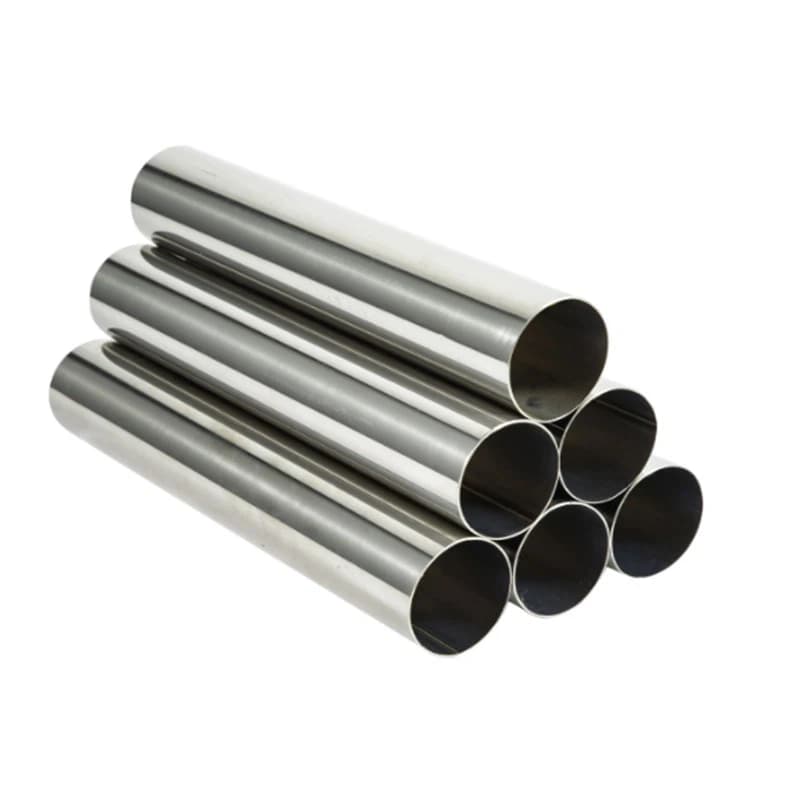
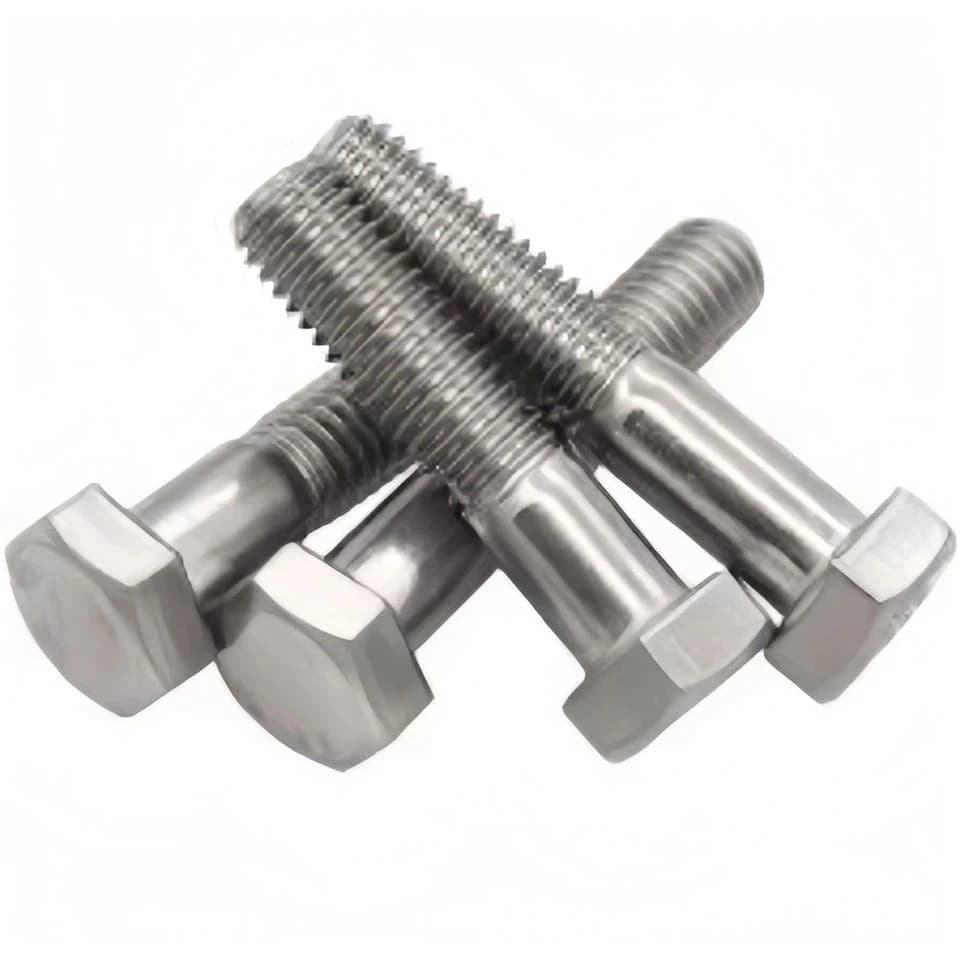
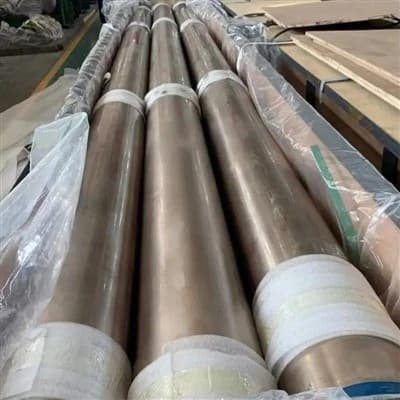
Blog Jun 16, 2026 ContentsWhat Is Alloy Steel Pipe? How Is It Different from Carbon Steel?ASTM A335 Standard OverviewLow Alloy Steel Pipe GradesA335 P5 (5% Cr, 0.5% Mo)A335 P9 (9% Cr, 1% Mo)A335 P11 (1.25% Cr, 0.5% Mo)A335 P22 (2.25% Cr, 1% Mo)High Alloy Steel Pipe Grades - P91 & P92A335 P91 (9%
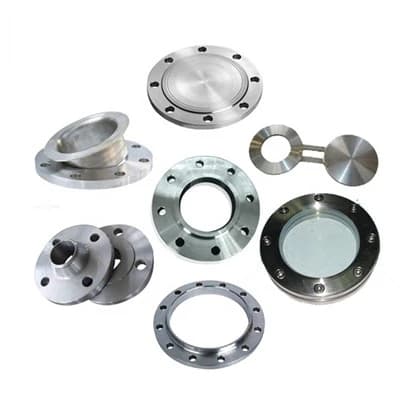
Blog Jun 16, 2026 A pipe flange is a mechanical component that connects pipes, valves, pumps, and equipment to form a complete piping system. Flanges provide leak-proof sealing through the combined action of gaskets and bolting, while allowing for assembly, disassembly, and maintenance access throug
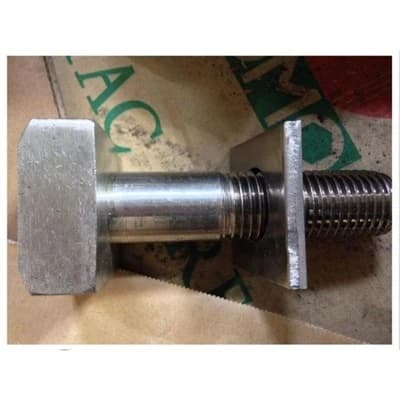
Blog Jun 16, 2026 ContentsWhat Are Fasteners? Basic Overview of Industrial FastenersMain Classification of FastenersWhy Fastener Selection Directly Affects Equipment Safety and Service LifeComplete Guide to BoltsBolt Types: Hex Bolts, Flange Bolts, Anchor Bolts, U-Bolts, Stud BoltsBolt Grade Systems
Blog Jun 10, 2026 Contents What is Stainless Steel? Raw Materials Used in Stainless Steel Manufacturing The Stainless Steel Manufacturing Process Step 1: Melting in Electric Arc Furnace (EAF) Step 2: AOD / VOD Refining Step 3: Continuous Casting Step 4: Hot Rolling / Cold Rolling Step 5: Annealing &
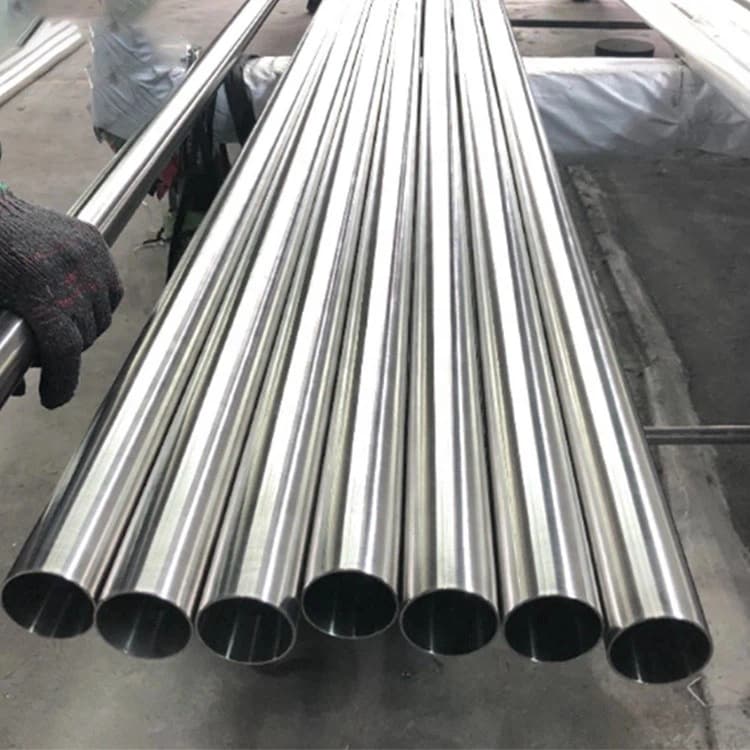
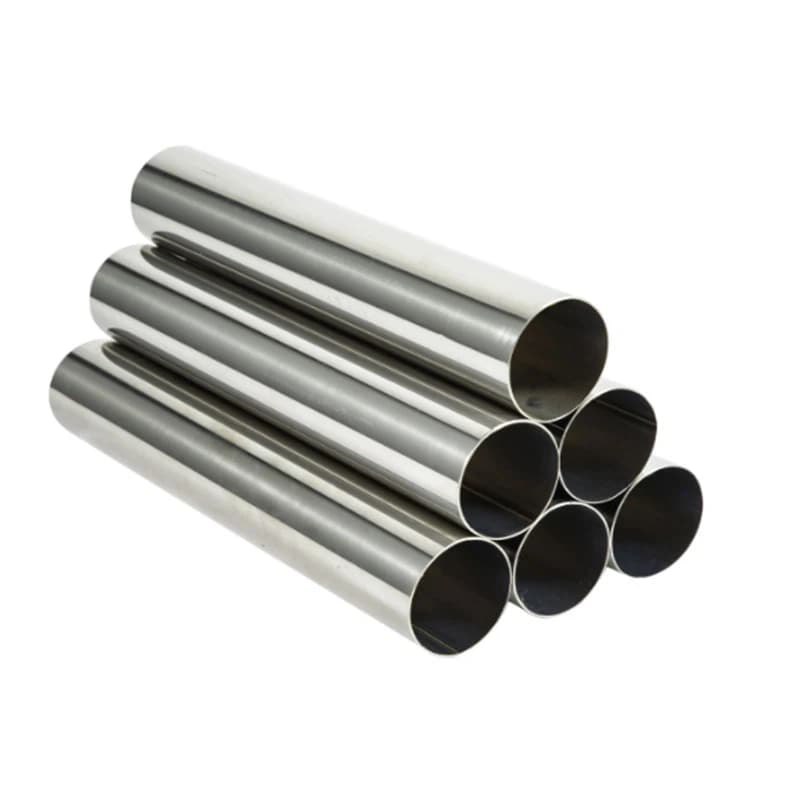
Blog Jun 05, 2026 A stainless steel pipe is an alloy primarily composed of iron, along with carbon and chromium. It is precisely the introduction of chromium-present in a minimum content of 10.5%-that endows stainless steel with its corrosion resistance, which remains its defining characteristic. St
Blog Jun 03, 2026 In global steel procurement, engineers frequently encounter the need to convert material grades between different standard systems - ASTM (American), EN (European), JIS (Japanese), and GB (Chinese). While these grades are often considered equivalent, important differences exist in
Blog Jun 03, 2026 Seven major flange types serve different piping system requirements across oil and gas, chemical, power, and water treatment industries. Each flange type offers distinct advantages in installation, cost, and performance. Selection depends on operating pressure, temperature, pipe si
Blog Jun 03, 2026 What Is Pipe Schedule? Pipe Wall Thickness Classification Explained Pipe Schedule (SCH) is the standardized wall thickness designation system for steel pipe, defined by ASME B36.10 for carbon and alloy steel pipe, and ASME B36.19 for stainless steel pipe. The schedule system was de
Blog Jun 03, 2026 What Are Bolt Grades and Why Choosing the Right Grade Matters Definition of Bolt Grades - Standardized Classification of Strength, Material, and Heat Treatment Bolt grades are standardized classifications that define the mechanical properties, chemical composition, and heat treatme
Blog Jun 03, 2026 Overview of Three Key Standards ASTM A106, ASTM A53, and API 5L are three of the most referenced steel pipe standards in the industry. While they share similarities, each standard was developed for a specific service condition and carries distinct requirements. ASTM A106 covers sea
Blog Jun 03, 2026 Why a Professional RFQ Matters Quote Deviations Caused by Unprofessional RFQs In steel pipe procurement, the quality of your RFQ directly determines the quality of the quotes you receive. A vague or incomplete RFQ typically results in quotes that deviate by 15-30% from each other -
Blog Jun 03, 2026 Why Source Steel Pipe from China? Global Position and Advantages of China's Steel Pipe Industry China is the world's largest steel pipe producer and exporter, accounting for over 50% of global production. With an annual output exceeding 80 million tons, the country dominates virtua
Get the best price for our products. Our team responds within 24 hours.