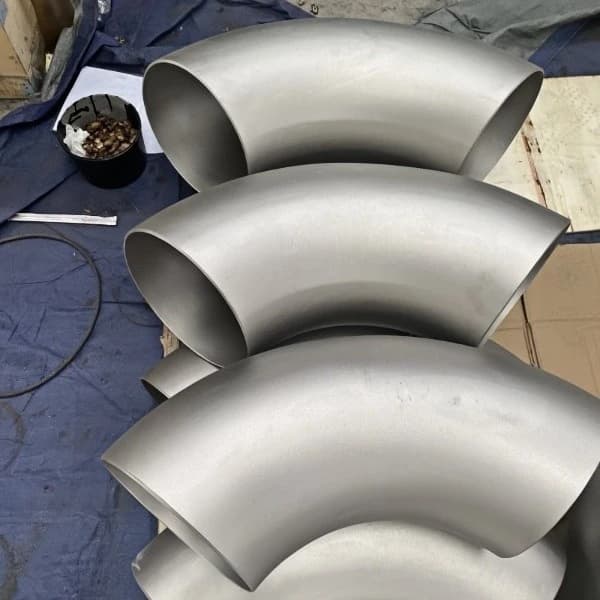
Product Description
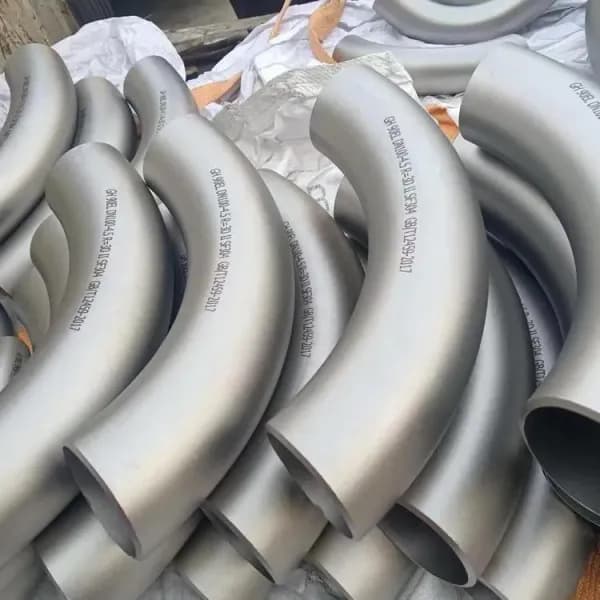
Hastelloy C276 butt-weld elbow is a factory-made wrought nickel-molybdenum-chromium alloy fitting used to change direction in corrosive process piping. The grade is UNS N10276, commonly referenced as Alloy C276 or W.Nr. 2.4819. Material requirements are normally specified to ASTM B366 / ASME SB366, while the elbow geometry and end-to-end dimensions depend on the selected dimensional standard.
C276 is selected where the service may involve chlorides, reducing acids, mixed chemical streams, flue-gas desulfurization environments or other aggressive media. Corrosion performance is not universal: the fluid composition, concentration, temperature, velocity, contaminants, welding procedure and cleaning practice must be reviewed for the actual duty. Related product forms are available on our Hastelloy C276 seamless pipe and Hastelloy C276 plate and sheet pages; Hastelloy C22 seamless tube is a different alloy and should be specified separately.
Technical Ordering Basis
Use the table as an ordering framework. Final size, wall, fitting class, material marking and inspection requirements must be confirmed against the purchase order and the specified standard editions.
| Item | Ordering basis |
|---|---|
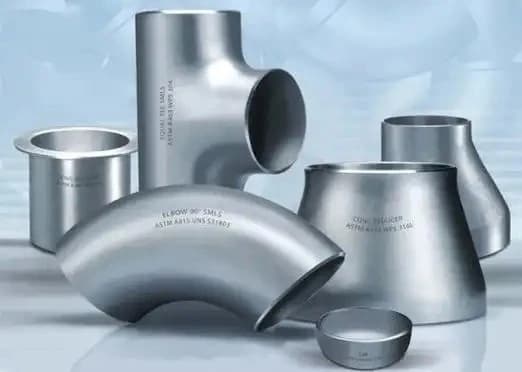
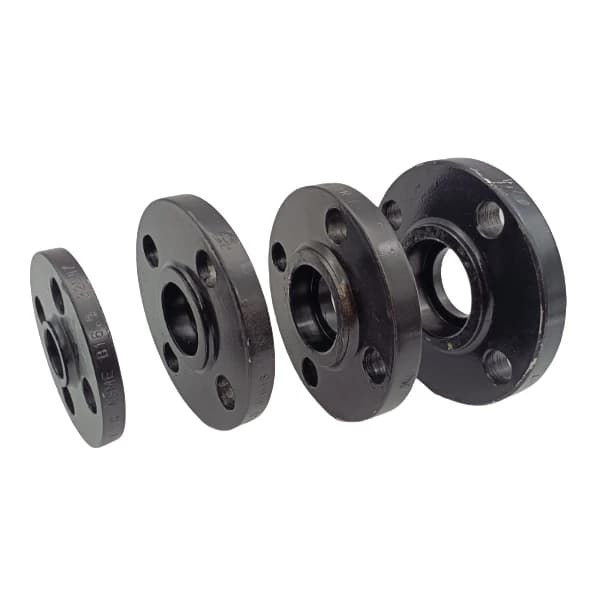
| Product form | Butt-weld elbow; not a tee, reducer, cap, forged socket-weld elbow or threaded elbow |
| Grade | Hastelloy C276 / Alloy C276, UNS N10276, W.Nr. 2.4819 |
| Material specification | ASTM B366 / ASME SB366 for factory-made wrought nickel and nickel-alloy fittings; specify the required revision |
| Dimensional standard | ASME B16.9 for factory-made wrought butt-welding fittings, including short-radius elbows and returns formerly covered by the withdrawn ASME B16.28-1994; state the required edition on the order; MSS SP-43 only when the order is for light-wall, corrosion-resistant butt-weld fittings |
| Angle and radius | Confirm 45°, 90° or 180° return and long radius, short radius or drawing-defined radius |
| Size and wall | Confirm NPS or DN and matching pipe schedule, or provide outside diameter and minimum wall thickness |
| Construction | Confirm seamless or welded construction and any weld examination required by the order |
| Ends and finish | Confirm bevel/end preparation, solution-annealed condition, cleaning or pickling requirements, and surface acceptance criteria |
| Documents | Specify material test report, EN 10204 inspection document type, PMI, NDE, dimensions and marking requirements as applicable |
Material Characteristics
UNS N10276 uses a nickel base with substantial molybdenum and chromium plus tungsten. The alloy is valued for resistance to localized corrosion and for useful performance across both reducing and oxidizing process conditions. Low carbon and silicon limits help reduce harmful grain-boundary precipitation during welding, but they do not make every weld or every service condition automatically safe.
C276 fittings may be joined with controlled GTAW, GMAW or SMAW procedures using clean, dedicated tools and qualified consumables. Matching filler metals are commonly specified as ERNiCrMo-4 for bare wire or ENiCrMo-4 for covered electrodes. Welding variables, filler selection and any post-forming solution treatment must follow the fabrication code, wall thickness, amount of cold work and project specification.
Elbow Selection
Choose the elbow geometry from the piping layout and hydraulic requirements rather than treating all directional fittings as interchangeable.
| Configuration | Typical selection reason | What to confirm |
|---|---|---|
| 45° elbow | Moderate change of direction or routing with less abrupt turning than a single 90° elbow | Long or short radius, center-to-end dimensions and required quantity |
| 90° long-radius elbow | General process-piping direction change with a smoother flow path than a short-radius elbow | Radius, NPS, schedule and dimensional standard |
| 90° short-radius elbow | Compact layout where space is restricted | Whether the governing design permits the tighter radius and the correct dimensional standard |
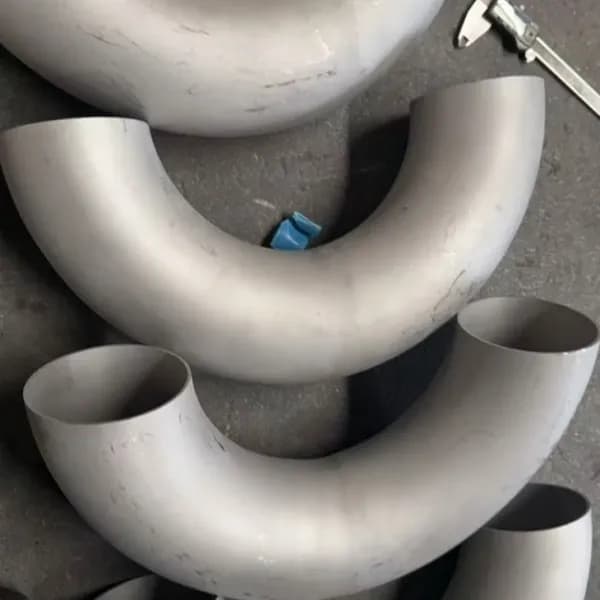
| 180° return | Reverses flow direction in a compact piping arrangement | Center-to-center geometry, long or short radius and fabrication clearance |
| Custom bend or fabricated elbow | Drawing-defined radius, large diameter or special routing | Do not assume ASTM B366 plus ASME B16.9 alone covers the custom geometry; submit the drawing and applicable design code |
Applications
Hastelloy C276 elbows are considered for chemical processing lines, acid handling systems, pollution-control and flue-gas desulfurization equipment, pulp and paper chemical service, waste-treatment systems, offshore or marine process piping and other installations where a standard stainless-steel fitting may not provide adequate corrosion resistance.
Material selection must be based on the complete service envelope. Provide the medium, concentration, operating and cleaning temperatures, pressure, flow velocity, solids content, upset conditions and expected contaminants so the fitting grade and fabrication route can be reviewed with the piping specification.
Ordering Information
For an accurate quotation, submit: grade and UNS number; material and dimensional standard with revision; elbow angle and radius; NPS/DN or OD; schedule or minimum wall; seamless or welded construction; quantity; end preparation; solution-treatment and surface requirements; PMI/NDE/testing; inspection document type; marking; packaging; and the service medium with design temperature and pressure.
Do not order only by the words “C276 elbow.” A complete description such as “UNS N10276 butt-weld 90° long-radius elbow, ASTM B366, ASME B16.9, NPS and schedule stated, with required inspection documents” reduces grade, radius and wall-selection errors.
Procurement FAQs
Is ASTM B366 the dimensional standard for the elbow?
No. ASTM B366 / ASME SB366 is the material and product specification for factory-made wrought nickel and nickel-alloy fittings. Butt-weld dimensions are ordered to ASME B16.9, whose current editions include short-radius elbows and returns previously covered by the withdrawn ASME B16.28-1994; legacy drawings citing B16.28 keep the same geometry and may be re-cited to B16.9 with the radius stated. Light-wall corrosion-resistant fittings may use MSS SP-43 when the purchase order requires it.
What information is needed to quote a Hastelloy C276 elbow?
State UNS N10276, angle, long or short radius, NPS/DN, schedule or minimum wall, construction route, standards and revisions, quantity, end preparation and required material or inspection documents. Add the service medium and temperature when material suitability needs review.
Can seamless and welded C276 elbows be treated as the same item?
No. Both routes may be available, but construction, size capability, weld examination and documentation can differ. The purchase order should name the route or allow an approved alternative, and it should state any NDE requirements.
Does C276 eliminate weld-related corrosion risk?
No. Its low carbon and silicon content helps reduce susceptibility to detrimental precipitation during welding, but weld quality, heat input, cleanliness, filler metal, solution condition and the actual process environment still control performance. Use a qualified welding procedure and project corrosion review.
Which welding consumable is commonly used with Alloy C276?
Matching consumables are commonly designated ERNiCrMo-4 for bare wire and ENiCrMo-4 for covered electrodes. The final consumable and procedure must be selected under the governing fabrication code and project specification.