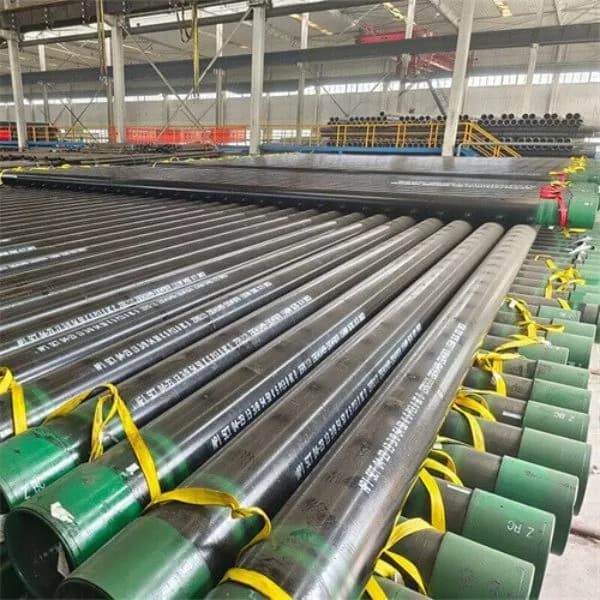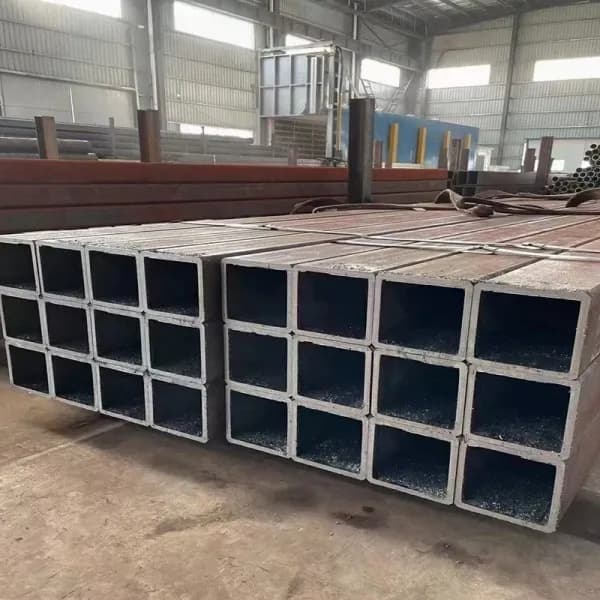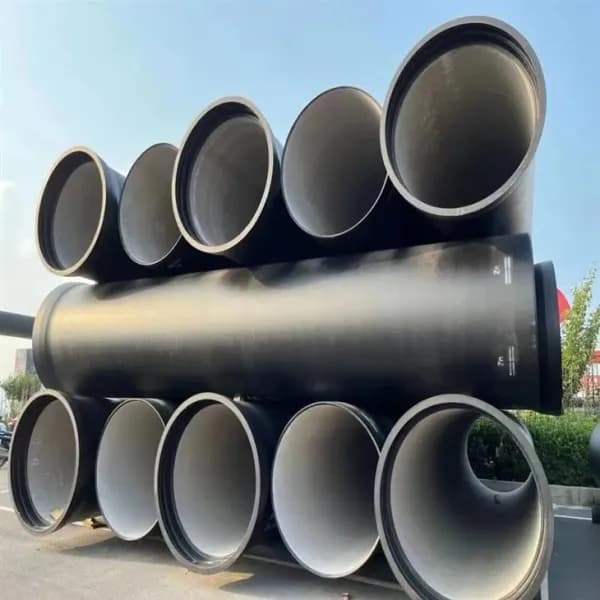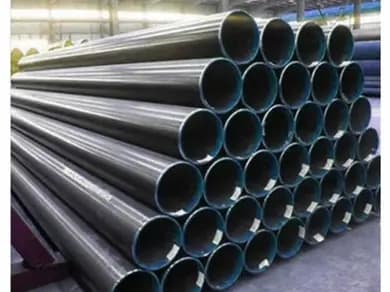
A carbon steel pipe grade is a specification plus a strength or service designation, not a single material called carbon steel. ASTM A106, ASTM A53, ASTM A333, and API 5L can all describe carbon steel pipe and still be the wrong choice for one another. Wall thickness, joint type, and design temperature are separate decisions.
A106, A53, and A333 do different jobs
ASTM A106 covers seamless carbon steel pipe for high-temperature service. Grade B is the grade most often named. Grades A and C exist and are not the same strength level. ASTM A53 covers seamless and welded pipe for ordinary pressure and mechanical uses. An A53 Grade B welded pipe is not an A106 Grade B seamless pipe, even when a catalog lists both as carbon steel.
ASTM A333 covers pipe ordered for low-temperature service, with impact testing required by that specification. Grade 6 is the common grade. It is not a cold-weather version of A106 that can be assumed from the words carbon steel. If the service is sour, low-temperature, or high-temperature, say so in the inquiry. The grade has to be chosen against the current standard and the design code, not against a generic temperature printed in a buyer's guide.
API 5L is line pipe
API 5L covers line pipe for petroleum and natural gas transmission. Grade B and the X grades, such as X42, X52, X60, X65, and X70, are strength grades inside that specification. The number is not a pressure rating and not a wall thickness. PSL 1 and PSL 2 change the required tests and limits. Sour service is an additional requirement. It is not included because the grade says X52.
The X number is a specified minimum yield strength, published in MPa as well as in psi. API 5L X52 has a 360 MPa specified minimum yield strength and X65 has 450 MPa; ASTM A106 Grade B has a 240 MPa minimum yield strength. Those are strength values. They are not pressure ratings, and they do not set the wall.
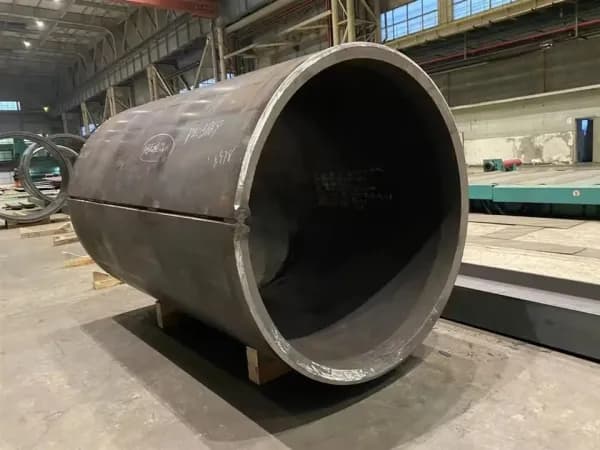
Seamless and welded API 5L pipe are both possible. The manufacturing route has to be stated. A spiral-welded pipe made to API 5L is not the same product as a seamless A106 pipe.
| Specification | Usual buyer question | Do not assume |
|---|---|---|
| ASTM A106 | Seamless pipe for high-temperature service | That Grade B, Grade A, and Grade C are interchangeable |
| ASTM A53 | Seamless or welded pipe for general use | That it replaces A106 |
| ASTM A333 | Pipe ordered with low-temperature impact rules | That every carbon steel grade includes those tests |
| API 5L | Line pipe, with grade and PSL stated | That an X grade sets the pressure or the wall |
What a certificate shows
The mill certificate should name the specification, grade, heat, product form, and the results required for that order. Chemistry and tensile results on one heat do not transfer to another size. Yield and tensile minima belong in the current standard. This page does not repeat them, because an undated table becomes a false specification after the standard changes.
European and Japanese grades such as P265GH or STPG are separate designations. Treat a cross-reference as a lead. Confirm it before writing both numbers on one order as if they were the same pipe.
What to send with the inquiry
Send the specification and grade, seamless or welded, NPS and schedule or outside diameter and wall, length, ends, and any impact, hydrostatic, or sour-service requirement. For API 5L, add the PSL. Quantity and the inspection document type, such as EN 10204 3.1 when it is required, belong in the same request.
Published pages that match this subject are seamless carbon steel pipe, API 5L Grade B seamless pipe, and spiral welded steel pipe to ASTM A252, A139, and API 5L. A fitting is not the pipe: ASTM A234 WPB 90° LR elbow for A53 pipe is a butt-weld elbow.
- Say seamless or welded. Do not leave the route to the supplier.
- Keep A106, A53, A333, and API 5L as separate choices.
- Read strength numbers from the current standard or the certificate, not from an old comparison table.