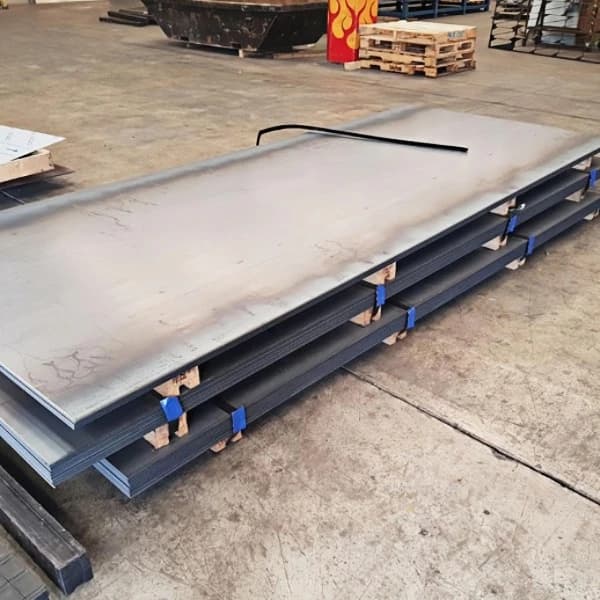
Product Description
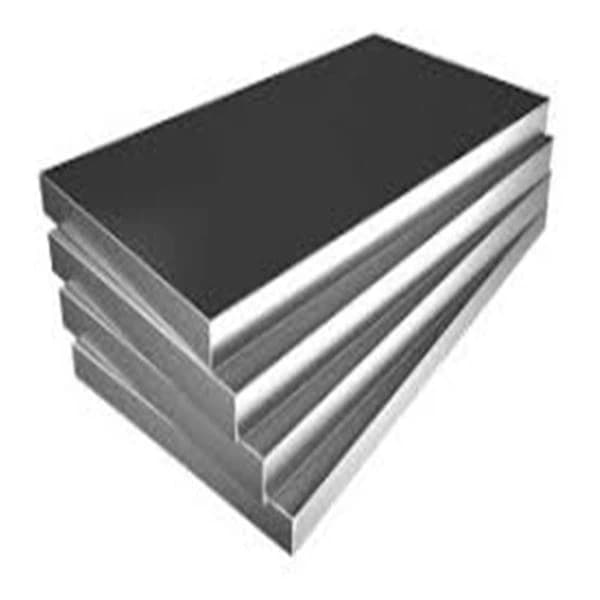
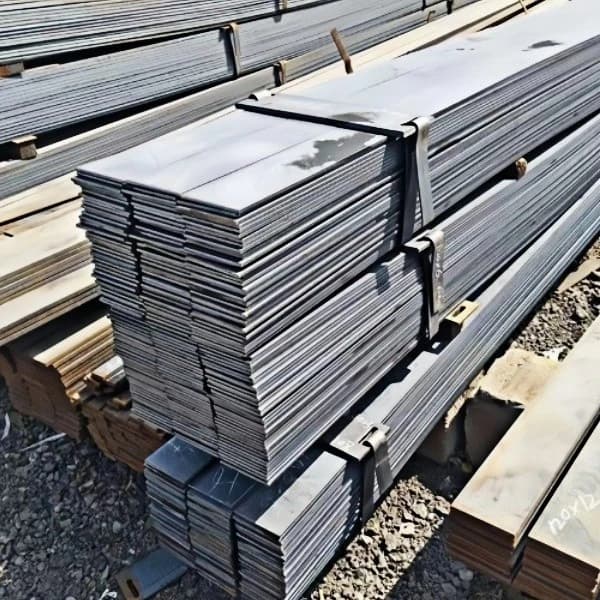
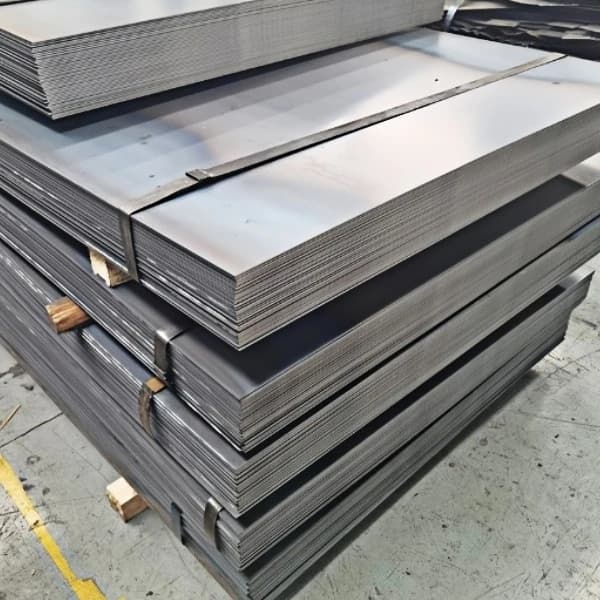
ASTM A36 carbon steel plate is a hot-rolled, low-carbon structural steel plate supplied to ASTM A36 / A36M (ASME SA36) and identified by UNS K02600. It is the most widely used structural plate grade in North America: a plain carbon-manganese steel with a specified minimum yield strength of 250 MPa (36 ksi) that can be welded, bolted and riveted, and is therefore specified for buildings, bridges, industrial structures, machinery and general fabrication.
The plate develops its properties from controlled hot rolling rather than from heat treatment, so it is normally supplied in the as-rolled condition. A36 contains no chromium or nickel and has no inherent atmospheric corrosion resistance — painting, galvanising or blast-and-prime protection is needed wherever the plate is exposed. Strength and toughness both depend on plate thickness and on the service temperature, so state the thickness and the working environment when requesting a quotation.
Plates are also available as cut-to-length and profile-cut parts. See our Q235 carbon steel plate for the GB/T 700 grade that is most often compared with A36, and browse further carbon steel plate grades in this range.
Specifications
Grade, standard and supply details:
| Item | Value |
|---|---|
| Material | ASTM A36 carbon structural steel (UNS K02600) |
| Standard | ASTM A36 / A36M; ASME SA36 |
| Product form | Hot-rolled plate; cut-to-length and profile-cut plate on request |
| Delivery condition | As-rolled (hot rolled); heat treatment is not normally required for A36 |
| Thickness | 0.45-100 mm. Sizes outside this range are made to the ordered dimensions. |
| Width | Standard widths 1000 mm and 1219 mm; other widths up to 1500 mm. Sizes outside this range are made to the ordered dimensions. |
| Length | Standard lengths 3 m and 6 m; other lengths up to 12 m. Sizes outside this range are made to the ordered dimensions. |
| Surface | As-rolled; blast-cleaned and primed on request |
| Yield strength, min | 250 MPa (36 ksi) for plate under 203 mm (8 in.) thick |
| Tensile strength | 400–550 MPa (58–80 ksi) |
| Density | 7.85 g/cm³ |
| Processing | Shearing, flame cutting to profile, edge preparation and drilling to drawing on request |
| Inspection documents | State the required mill test report, certificate type or third-party inspection with the enquiry |
Chemical Composition
Heat analysis limits for ASTM A36 plate. Composition and mechanical results are reported on the mill test certificate for the supplied heat; confirm any tighter residual limits required by the project specification before order.
| Element | Requirement (max, unless shown) | Notes |
|---|---|---|
| Carbon (C) | 0.26% | Capped to protect toughness and weldability |
| Manganese (Mn) | 0.60–1.20% | Specified range; the higher part of the band is used for heavier plate |
| Phosphorus (P) | 0.04% | Residual element |
| Sulfur (S) | 0.05% | Residual element |
| Silicon (Si) | 0.40% | 0.15–0.40% when silicon is specified for plate |
| Copper (Cu) | 0.20% min | Applies when copper-bearing (Type 2) steel is ordered |
Mechanical and Physical Properties
| Property | Value | Notes |
|---|---|---|
| Yield strength, min | 250 MPa (36 ksi) | Plate under 203 mm (8 in.) thick; 220 MPa (32 ksi) above that thickness |
| Tensile strength | 400–550 MPa (58–80 ksi) | Ranges, not a fixed value |
| Elongation, min | 20% / 23% | 20% on a 200 mm gauge length; 23% on a 50 mm gauge length |
| Density | 7.85 g/cm³ | Use 7.85 kg/m per mm of thickness to estimate plate mass |
| Modulus of elasticity | 200 GPa | 29,000 ksi |
| Poisson’s ratio | 0.26 | |
| Shear modulus | 79.3 GPa | 11,500 ksi |
| Hardness | 119–159 HBW | Typical range only; hardness is not an ASTM A36 requirement |
Material Characteristics
A36 is a mild (low-carbon) structural steel, and its low carbon content is what gives the grade its working combination of ductility and weldability. Plates can be sheared, flame cut, cold bent, punched, drilled and machined with conventional workshop equipment, and the material can be welded with the common arc processes (SMAW, GMAW and FCAW) and assembled by bolting or riveting.
A36 is not a heat-treatable grade. Quenching and tempering do not produce a useful strength increase, and the plate is used in the as-rolled condition in which strength depends on the rolling schedule and on the specified manganese content. Points that decide whether A36 is the right plate for a job are:
- No corrosion resistance. A36 contains no chromium or nickel and will rust if unprotected. Painting, galvanising, blast-and-prime or another coating must be specified for outdoor, humid or marine exposure.
- Temperature limits. Minimum specified strength falls off at elevated temperature, and ductility and notch toughness fall at low temperature. State the working temperature range so that suitability can be reviewed before the grade is fixed.
- Values are minima. The figures above are specification requirements rather than guaranteed values for every thickness; heavy plate is specified towards the lower end of the strength range.
- No substitution without approval. A36 is not interchangeable with a different strength, toughness or temperature grade (for example A572 Gr. 50, A516, Q345 or a stainless plate). Any change must be approved against the design specification.
- Not for pressure or high-temperature service. A36 is a structural grade; pressure-retaining and elevated-temperature duties normally call for a dedicated plate specification.
Applications
ASTM A36 plate is the default structural steel for general fabrication where a moderate-strength, easily welded and formed material is required. Typical uses include:
- Structural frames, columns, beams, gusset plates and base plates in buildings, sheds and industrial plant
- Bridge and infrastructure work: girders, bracings, decking, bearing plates and support structures
- Machinery and equipment: frames, bases, brackets, fixtures, jigs, gears, cams and sprockets
- Storage tanks, bins, hoppers and chutes in non-corrosive service
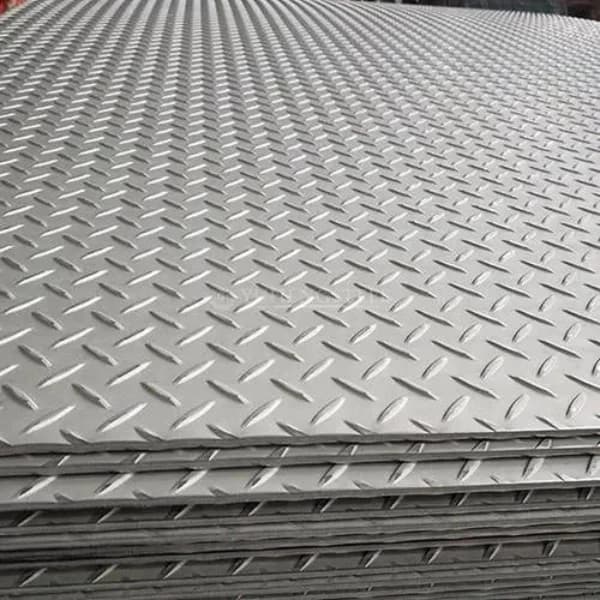
- Road plates and temporary access plate for construction sites
- General workshop fabrication, repair plate and templates
Commonly cited approximate equivalents are EN 10025-2 S235JR or S275, GB/T 700 Q235B and JIS G3101 SS400. These are comparisons of general strength level and weldability, not identical grades; yield limits, impact test requirements and residual element limits differ between standards, so a cross-standard substitution needs approval against the specification the project is designed to.
Ordering Information
Send the following with your enquiry so that the plate and the documentation can be confirmed against your requirement:
- Quantity, by weight or by number of plates
- Plate thickness, width and length, with tolerances where they are critical
- The applicable standard and edition (for example ASTM A36/A36M), and whether ASME SA36 or dual certification is required
- Delivery condition and surface requirement: as-rolled, blast cleaned, primed or galvanised
- Cutting and processing requirements — shearing, flame cutting to profile, edge preparation or drilling — with drawings or DXF files where shaped parts are needed
- Inspection and documentation requirements, such as the mill test report, third-party inspection or a certificate of origin
- Service conditions (indoor or outdoor, temperature range, corrosive exposure) and the destination port
Thickness is 0.45-100 mm, standard widths are 1000 mm and 1219 mm, and standard lengths are 3 m and 6 m. Sizes outside this range are made to the ordered dimensions. Processing scope, documentation and delivery terms follow the enquiry. The other values in the tables above are grade requirements under ASTM A36.