Product Description
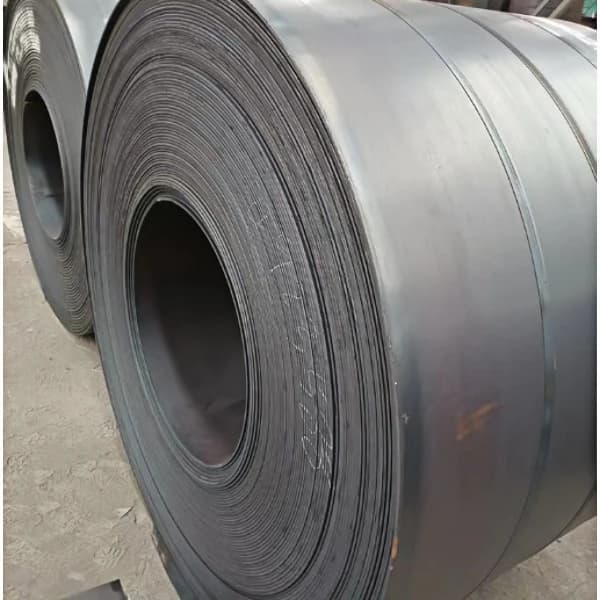
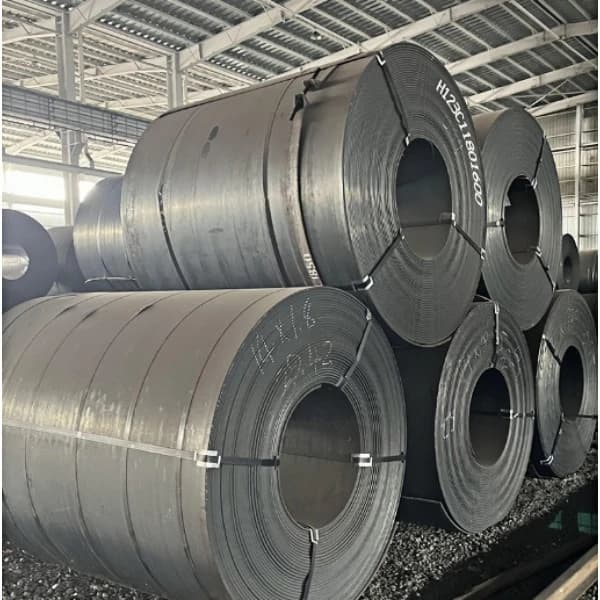
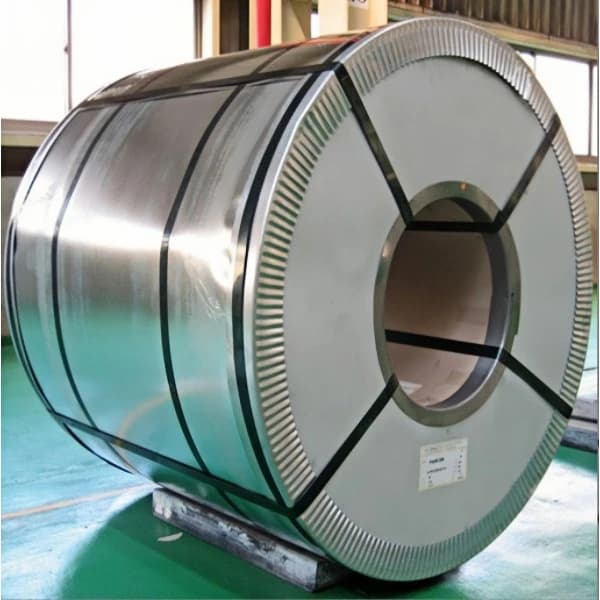
KA70 carbon steel coil is cold-rolled low-carbon steel supplied in coil for bending, pressing and general fabrication. The name is used in trade enquiries for drawing-quality coil. It is not a grade listed in EN 10130, EN 10025-2, ASTM A36/A36M or JIS G3141, so the standard on the drawing has to be confirmed before thickness, surface and test values are fixed.
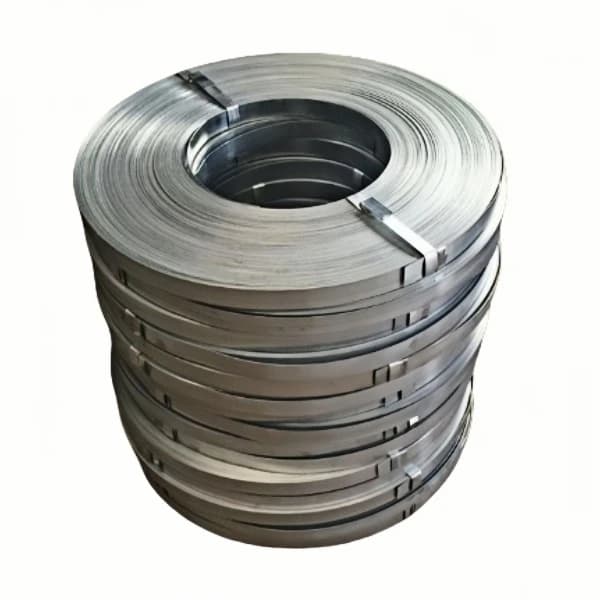
Coil is the form used when the line needs a continuous length: roll forming, slitting, press feeding or tube making. Slit coil and cut-to-length sheet can be produced from the same coil, but they are quoted as separate items. Hot-rolled structural coil, including S355JR, is a different product with its own yield and impact rules.
EN 10130:2006 is the European standard for cold-rolled low-carbon flat products for cold forming. Its grades are DC01 (1.0330), DC03 (1.0347), DC04 (1.0338), DC05 (1.0312), DC06 (1.0873) and DC07 (1.0898). None of these is KA70. If the project allows a substitution, the enquiry should name the DC grade. If it does not, KA70 has to be ordered against the buyer's own specification, and no EN 10130 mechanical value should be treated as a KA70 guarantee.
What to confirm
Published coil catalogues often list thickness from a fraction of a millimetre to more than 100 mm, and they list many structural grades on one page. Those ranges describe a supplier's whole carbon-steel coil offer. They are not a KA70 size list. For this grade, thickness, width, coil weight, inner diameter, edge and surface are confirmed on the order.
Where the order is placed to EN 10130, dimensional tolerances are normally taken from EN 10131. Surface quality is A or B, and the finish is normal (m), rough (r) or semi-bright (g). Coil is normally supplied oiled on both sides so it can be stored without immediate rust; dry coil is available only when the order says so. Phosphating and paint are later coating steps, not a property of the steel grade.
Chemical composition
No ladle analysis is published for the name KA70. The limits below are the EN 10130:2006 ladle maxima compiled for the named DC grades, and they apply only when that grade is ordered. The steel may contain boron or titanium unless this is excluded at enquiry. The mill test report is the composition that governs the shipment.
| Grade | C max | Mn max | P max | S max |
|---|---|---|---|---|
| DC01 (1.0330) | 0.12 | 0.60 | 0.045 | 0.045 |
| DC03 (1.0347) | 0.10 | 0.45 | 0.035 | 0.035 |
| DC04 (1.0338) | 0.08 | 0.40 | 0.030 | 0.030 |
| DC05 (1.0312) | 0.06 | 0.35 | 0.025 | 0.025 |
| DC06 (1.0873) | 0.02 | 0.25 | 0.020 | 0.020 |
DC06 also carries a titanium limit, commonly 0.30% maximum, and titanium may be replaced by niobium. DC07 (1.0898) is the super-deep-drawing grade in the same standard and is tighter again. These figures are reference values from a secondary compilation of EN 10130:2006, not a reading of the licensed standard text.
Mechanical properties
The old page stated 420-550 MPa tensile strength and 25-30% elongation "according to EN 10130". That range does not match the skin-passed values published for any EN 10130 grade. It has been removed. KA70 itself has no verified tensile, yield or elongation figure on this page.
For comparison, the table gives skin-passed properties for thickness above 0.7 mm. Yield is an upper limit for these drawing grades, not a structural minimum. Elongation is A80, measured on an 80 mm gauge length. Between 0.5 mm and 0.7 mm, the yield limit rises by 20 MPa and minimum elongation falls by 2 points. At 0.5 mm and below, yield rises by 40 MPa and elongation falls by 4 points.
| Grade | Yield Re, MPa | Tensile Rm, MPa | A80 min, % | Forming level |
|---|---|---|---|---|
| DC01 | 280 max | 270-410 | 28 | Drawing, simple bends |
| DC03 | 240 max | 270-370 | 34 | Deep drawing |
| DC04 | 210 max | 270-350 | 38 | Special deep drawing |
| DC05 | 180 max | 270-330 | 40 | Special deep drawing |
| DC06 | 170 max | 270-330 | 41 | Extra deep drawing |
DC04 and above are also ordered with plastic-strain ratio and strain-hardening values when the drawing is severe. Those values, and the exact edition of the standard, should be named on the purchase order. Room-temperature tensile results do not describe strength at elevated temperature.
Material characteristics
Cold-rolled low-carbon coil is soft enough for press brakes, roll formers and general welding practice used on mild steel. Strength comes from the low carbon and manganese levels and from skin passing, not from quenching. Skin passing also limits stretcher-strain marks during forming. DC01 does not carry a long guarantee against those marks; DC03 to DC05 are commonly limited to about six months, and DC06 and DC07 are the grades specified when marks must be avoided.
The same low alloy content that makes the coil easy to form leaves it open to rust. Oiled coil is a storage condition, not a corrosion-resistant product. Outdoor or wet service needs a coating system specified separately. Galvanised coil and pre-painted coil are different products.
KA70 is also a name used for carbon steel in some hand-tool descriptions, where hardness and edge holding are the point. That is a different product and a different condition. A coil sold for fabrication is not a hardened tool steel, and a tool-steel hardness figure must not be read across to this coil.
Applications
Once the grade is confirmed, this type of coil is used for bent brackets, light frames, enclosures, pressed covers and roll-formed sections. Deeper automotive and appliance draws are normally specified as DC04, DC05 or DC06 rather than as a generic drawing-quality name. Structural work that needs a minimum yield of 355 MPa belongs on the S355JR carbon steel coil page, which is ordered to EN 10025-2.
For the wider cold-rolled and hot-rolled offers, see cold rolled carbon steel coil and hot rolled carbon steel coil. Those pages cover other grades. They do not extend the KA70 designation.
Ordering information
A usable enquiry names the standard and grade, or states that an EN 10130 grade may be proposed. It also names thickness, width, coil weight or cut length, edge, surface quality and finish, oiled or dry, quantity, and the inspection document, normally EN 10204 3.1. If a forming trial or a coating is required, say so in the same enquiry. No stock quantity, lead time, discount or replacement period is stated here; those items are quoted only against a confirmed specification.