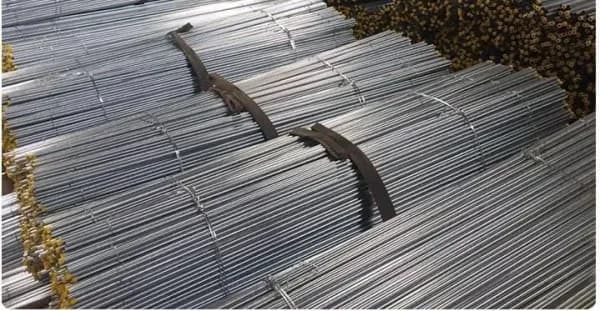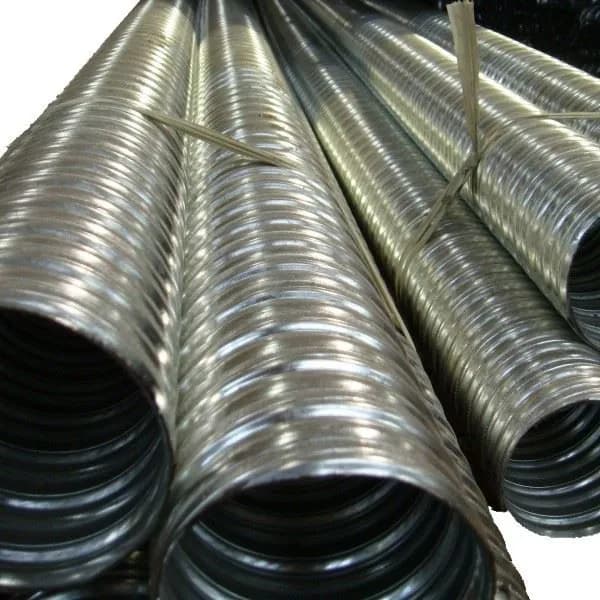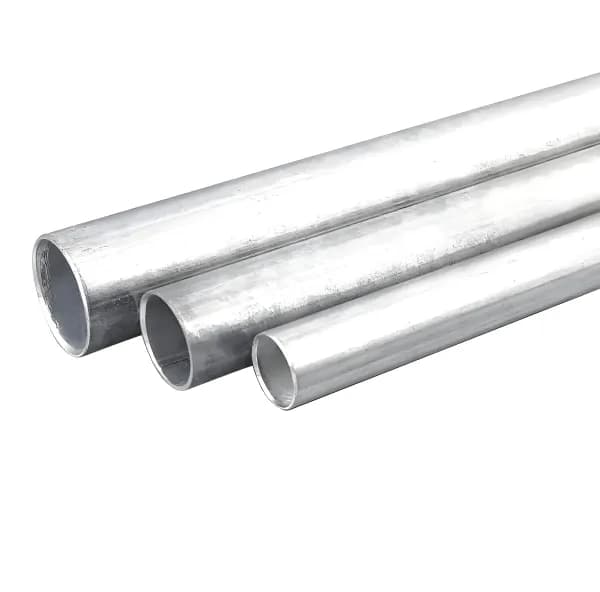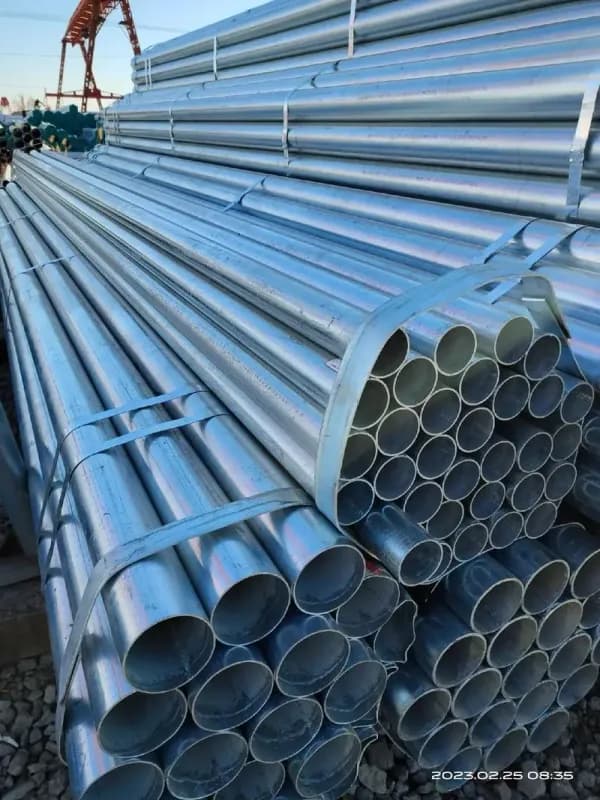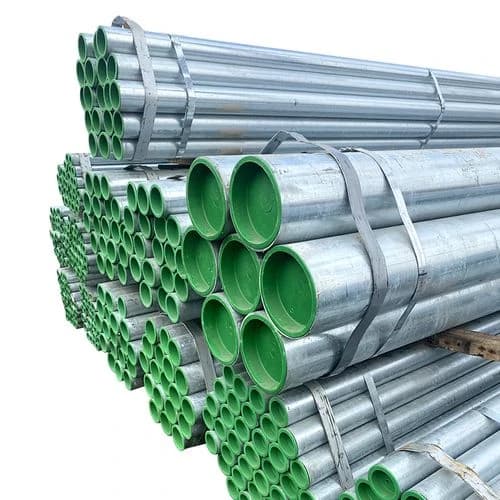
Product Description
Hot-dip galvanized steel-plastic composite pipe is a steel pipe that carries pressure in its steel wall while the fluid touches only a plastic layer, and whose outside surface is protected by a hot-dip zinc coating. It is specified where a single material cannot do both jobs: bare galvanized steel pipe rusts internally, reddens water and collects scale, while an all-plastic pipe lacks the stiffness, impact resistance and fire behaviour of steel for risers, long spans and buried runs.
This construction is normally chosen for water distribution duties where the designer wants the strength, rigidity and hanger spacing of steel together with the smooth bore and internal corrosion behaviour of a plastic liner or coating. Compared with a bare galvanized pipe of the same size, the plastic layer reduces internal corrosion, scaling and flow resistance, and it isolates the water from the zinc and steel surface. The zinc coating remains the external protection, and it acts as a sacrificial layer at scratches and cut edges.
Service life depends on the medium, temperature, pressure, joint method, and installation practice. Nominal size is DN25 to DN200 and the steel wall is 2.6 mm to 9.0 mm. Sizes and walls outside those ranges are made to the ordered dimensions.
Dimensions and Supply Range
Nominal size is DN25 to DN200 and the steel wall is 2.6 mm to 9.0 mm. Length is 2 m to 6 m, random, fixed, or cut to the ordered length.
| Item | Supply range | Stated on the order |
|---|---|---|
| Nominal size | DN25 to DN200 | Sizes outside this range are made to the ordered nominal size |
| Wall thickness | 2.6 mm to 9.0 mm steel wall | Walls outside this range are made to the ordered wall |
| Length | 2 - 6 m | Random or fixed length, or cut-to-length pieces |
| Outside protection | Hot-dip galvanized | Coating standard and coating mass (see the standards section) |
| Inside layer | PE or epoxy | Resin, nominal layer thickness and whether lined or coated |
| Ends | Plain end | Threaded, grooved or flanged ends, and end protection |
| Documents | Mill certificate on request | Certificate type, hygiene test report, third-party inspection |
Larger diameters, heavier walls, non-standard lengths and special end preparation can be quoted, but they are confirmed per order rather than assumed to be available.
Lined or Coated: Which Construction Do You Need
Two different constructions are sold under the same product name, they are specified to different standards, and they behave differently on site.
| Construction | How it is made | Where it is usually specified |
|---|---|---|
| Lined pipe | A plastic tube (PE, PE-RT or similar) is inserted into the steel pipe and bonded to the bore | Building potable water risers and small-bore runs where the liner should continue through the joint |
| Coated pipe | Epoxy or polyethylene powder is fusion-bonded to the blast-cleaned steel surface, inside, outside or both | Larger diameters, fire mains and industrial fluids where a bonded coating is specified |
State which construction your drawing calls for. Threading, grooving, bending and any hot work are handled differently for each, and substituting one for the other without the designer's agreement changes what the joint will do in service.
A steel mesh skeleton PE composite pipe carries a similar name but belongs to a different family: there the polyethylene is the pressure wall and steel wire reinforces it. If your specification names that family, say so explicitly so the enquiry is quoted against the right product.
Applications
Water supply: cold and hot water distribution in residential, commercial and municipal buildings, including secondary (pumped) supply systems where the alternative is bare galvanized steel.
Drainage and sewerage runs whose medium stays within the chemical and temperature limits of the plastic layer.
Fire protection: wet risers, sprinkler mains and hydrant feeds, where the local code and the authority having jurisdiction permit lined or coated steel.
HVAC and utility services: chilled water, heating water, air-conditioning circuits, process water and compressed air.
Industrial fluids that the liner resin is known to resist, plus cable and optical fibre conduit duties that need a protected outside surface and a smooth bore.
Any drinking-water duty requires a hygienic liner assessed for contact with potable water. That requirement belongs on the order, together with the hygiene test report that evidences it.
Joining, Temperature and Pressure Limits
Pressure is carried by the steel wall, not by the plastic layer, so the working pressure follows the substrate pipe, the wall schedule and the joint type. Confirm it at the design temperature and do not size from a short-term burst figure: plastic strength falls as temperature rises.
Temperature is limited by the liner resin. CJ/T 120, the Chinese industry standard for plastic-coated steel pipe for water supply, applies to conveyed media below 45 C.
The joint is the weak point of every lined system. A thread cut on site exposes bare steel at the cut face, so order factory-formed threaded ends, joint-protecting fittings that carry the liner over the joint, or grooved couplings with a sealing sleeve, and check that no bare steel meets the conveyed water. Do not weld a lined or internally coated pipe with the plastic in place, and keep flames, grinding sparks and welding spatter away from the finished pipe.
Handle and store the pipe so the zinc coating is not dragged through mud or left in standing water before installation; wet storage staining on zinc is not red rust, but it indicates sheath conditions that shorten coating life.
Standards and Documentation
Name the governing standard on your order. It decides layer thickness, adhesion testing, inspection and acceptance, and it is the basis of the test report you receive.
| Standard | Scope | When to name it |
|---|---|---|
| GB/T 28897 | Steel-plastic composite pipes and fittings for fluid transportation, including drinking water, hot and cold water, drainage, rainwater, fire water, air-conditioning water and compressed air | Default national product standard for this product group |
| CJ/T 120 | Plastic-coated steel pipe for water supply; covers nominal sizes up to DN2000 for conveyed media below 45 C | Coated construction for water supply |
| CJ/T 136 | Plastic-lined composite steel pipe for water supply | Lined construction for water supply |
| GB/T 17219 | Safety evaluation of equipment and protective materials in contact with drinking water | Any potable water duty |
| ASTM F1545 | Factory-made plastic-lined ferrous metal pipe, fittings and flanges, intended primarily for corrosive fluids; the standard does not cover products coated with plastics | North American lined enquiries for chemical service |
Two standard attributions need to be corrected, because they appeared on earlier versions of this page and circulate in copy-paste datasheets. EN 1555-2 belongs to the series "Plastics piping systems for the supply of gaseous fuels - Polyethylene (PE)": it specifies all-polyethylene pipe for gas distribution, operating at up to 10 bar between -20 C and 40 C, so it is not a water-supply standard and it does not cover a steel pipe with a plastic layer. ASTM F2389 is the "Standard Specification for Pressure-rated Polypropylene (PP) Piping Systems": it covers solid PP pipe, fittings, valves and manifolds, not a plastic-lined steel pipe. Neither supports a conformance claim for this product, and neither is used as one here.
For the steel substrate, orders commonly name GB/T 3091 welded steel pipe for low-pressure liquid service, GB/T 8163 seamless steel pipe for fluid service, ASTM A53/A53M for black and hot-dip zinc-coated welded and seamless pipe, or EN 10255 non-alloy steel tube suitable for welding and threading. For the zinc coating itself, EN 10240 covers hot-dip galvanized coatings applied to steel tube in automatic plants; ISO 1461 covers coatings applied to articles galvanized after fabrication and, by its own scope, does not cover tube galvanized in automatic plants, so it should not be copied onto a pipe order by default.
Documents: state at enquiry which certificate you need, for example a mill test certificate to the ordered standard, a hygiene test report to GB/T 17219 for potable water, pressure or adhesion test records, or third-party inspection.
Purchasing Questions
Is this pipe safe for drinking water?
It can be, when the wetted layer is a hygienic grade of PE or epoxy assessed to GB/T 17219 for contact with drinking water, and when that requirement is written into the order and evidenced by the hygiene test report. The joint then governs the outcome: if the liner is cut back and the water reaches bare steel at a thread, the pipe will behave like a galvanized pipe at that point, so specify joint-protecting fittings or grooved sealing sleeves.
Lined or coated: which one should I buy?
Choose by diameter, duty and standard. Lined pipe is the common choice for building potable water in the small-to-medium bore range, because the liner can be carried through the joint. Coated pipe, particularly internal epoxy with external polyethylene, is the usual answer for larger diameters, fire mains and industrial fluids. If your drawing names a standard, follow it, and send us that reference with the enquiry.
What temperature and pressure can it take?
Pressure comes from the steel wall and joint, so it is quoted against your size, wall schedule and connecting method, and always at the design temperature. Temperature comes from the liner. CJ/T 120 applies to conveyed media below 45 C. Send the operating pressure, test pressure, and maximum continuous temperature with the inquiry.
Can it be threaded or welded on site?
Threading a lined pipe on site cuts through the liner and leaves bare steel at the thread, so threaded ends should be formed at the factory with a joint-protecting fitting. Welding is not carried out with a plastic layer in place; where welding is needed, use the welded construction required by your specification, insert stainless or lined transition spools at the joints, or use grooved or flanged connections selected for lined pipe.
What do you need in order to quote?
Nominal size and wall thickness or pipe schedule, length or cut lengths, quantity, lined or coated construction, liner or coating resin, end preparation, the governing standard, the medium, operating pressure and temperature, the documents or certificates required, and the destination port. If the duty is potable water, fire protection, buried service or a chemically aggressive fluid, say so upfront so that hygiene certification, external coating and resin selection can be confirmed before the order.
Related Products
Where no internal plastic layer is required, see our Galvanized Round Pipe and Galvanized Square Tube ranges. For conduit and other galvanized tube shapes, compare this page with the Galvanized Electrical Conduit and Schedule 40 Galvanized Pipe listings, or browse the full Galvanized Pipe category before fixing your order.