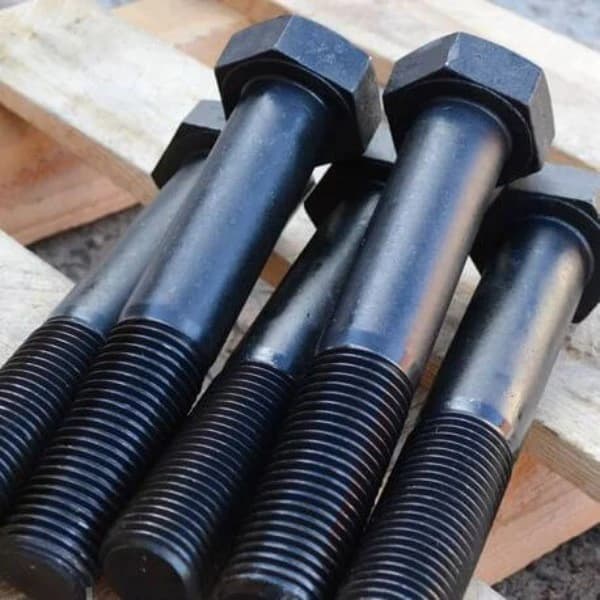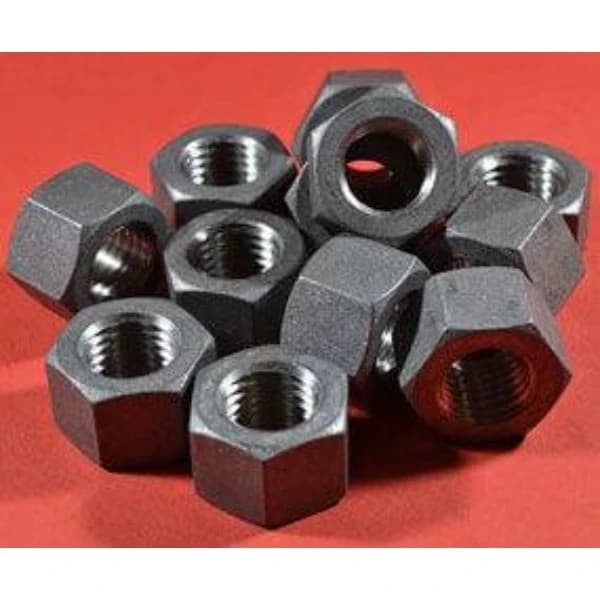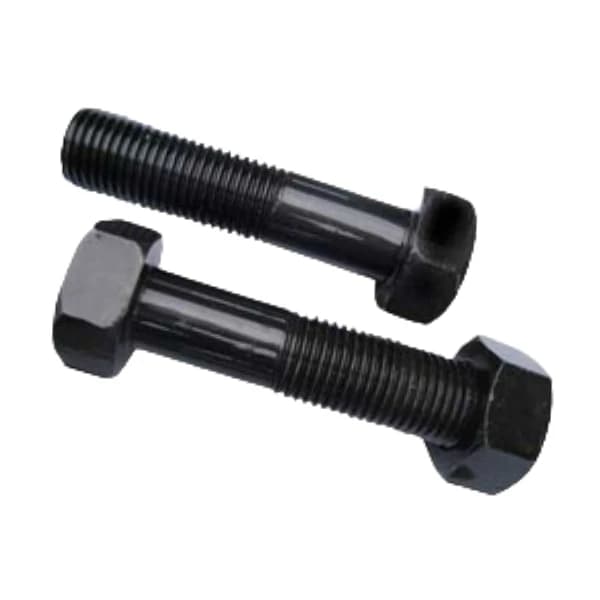
Product Description
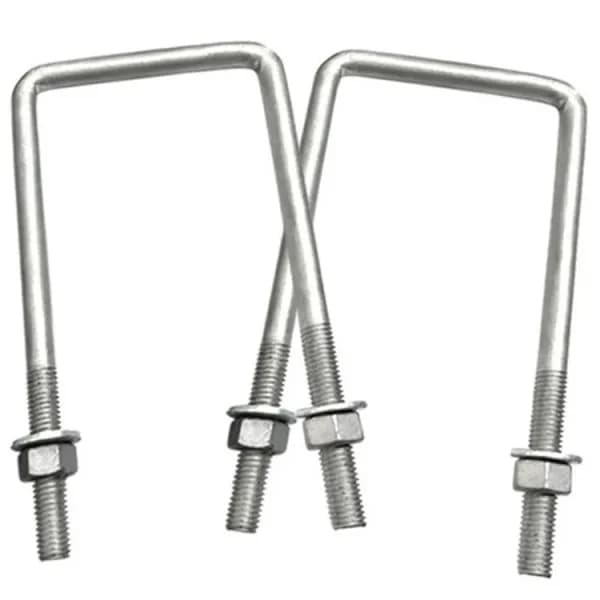
Galvanized anchor bolts on this page are cast-in carbon, alloy, or high-strength low-alloy steel anchor bolts and anchor rods, ordered with a zinc coating. ASTM F1554-20 is the anchor-bolt specification buyers usually name. It covers straight, bent, headed, and headless anchor bolts, and all-thread rod used to anchor structural supports to concrete. The grade number is the minimum yield strength in ksi: Grade 36, Grade 55, or Grade 105. One order is one grade.
Hot-dip zinc and mechanical zinc are the two coatings F1554 points to. A fastener manufacturer’s reading of F1554 Section 7 names ASTM F2329 for hot-dip galvanizing and ASTM B695, Class 55, for mechanical galvanizing, and says the bolt and its nut should be coated by the same process when the order does not pick one. F2329/F2329M-15(2023) is the active hot-dip fastener coating specification; it covers centrifuged or otherwise excess-zinc-removed coatings on carbon and alloy steel bolts, nuts, washers, and special threaded fasteners. Coating thickness is whatever that order’s edition requires. It is not printed here.
The old page also cited DIN 5299. That number is a spring-hook series, not a cast-in anchor-bolt specification, so it is not offered on this page. Expansion anchors, adhesive anchors, powder-actuated studs, and anchors cut from deformed reinforcing bar are outside F1554 as well. F1554 scope 1.6 says the specification does not cover mechanical expansion anchors, powder-actuated nails or studs, or anchor bolts fabricated from deformed bar.
What to Confirm Before Quoting
The lines below are ordering fields, not a stock list. Diameter, length, and projection are taken from the drawing. F1554 uses inch-pound units as the standard system, so a metric thread is a separate instruction and is not assumed.
| Item | How it is ordered |
|---|---|
| Product on this page | Cast-in anchor bolt or anchor rod with a zinc coating |
| Specification | ASTM F1554, edition named on the order. F1554-20 is the active edition on the ASTM store as checked 2026-10-01 |
| Grade | 36, 55, or 105. One grade per order. Grade 55 weldable steel is supplementary requirement S1, not the default |
| Configuration | Straight, headed, or bent (L or J). Hook length, bend angle, and embedment come from the drawing |
| Coating | Hot-dip galvanized to ASTM F2329, or mechanical zinc to ASTM B695 Class 55. Say which one. Other coatings only if the order names their specification |
| Diameter and length | Per drawing. Inch sizes follow F1554; metric only when the order says so |
| Not this product | DIN 5299 spring hooks, wedge and sleeve expansion anchors, adhesive anchors, and deformed-bar anchors |
Material Characteristics
F1554 is a fastener specification, not a bar specification. The public store page for F1554-20 states that three strength grades exist and that zinc coating requirements are in Section 7. It does not print the tensile table or the heat analysis. Those numbers stay on the mill test report for the edition named in the purchase order. They are not repeated here as a guaranteed range.
Galvanizing is a coating choice, not a change of grade. It is worth specifying when the exposed thread, nut, and projection sit outdoors or in a wet service. It is usually unnecessary for a dry interior, and it should not be treated as a weld preparation: welding through zinc can throw off zinc fume and spatter, so a weld that the drawing actually requires belongs before coating, or on a Grade 55 bar ordered to S1. Hot-dip zinc is bonded by immersion in molten zinc and then spun to throw off free zinc. F2329 is written for fasteners handled that way. Cutting the zinc off the threads after coating, often called chasing, leaves bare steel on the flank and is not the way to make the nut fit.
Grade 105 is a heat-treated high-strength grade. Do not assume it can be welded, bent in the field, or swapped for Grade 36. Supplementary requirements S2 and S3, permanent manufacturer and grade marks on the projecting end, apply only when the order asks for them. Impact testing under S4 is the same kind of optional line. None of these is included unless the order says so.
Applications
F1554 anchor bolts are intended to anchor structural supports to concrete foundations. Typical supports named in the scope are building columns, column supports for highway signs, street lighting and traffic signals, steel bearing plates, and similar work. The drawing, not this page, decides embedment, edge distance, and whether the bolt is headed, bent, or straight.
A galvanized finish is the usual request for the portion that stays above the concrete in weather: sign and light poles, exterior columns, and equipment bases in open yards. Indoor dry bases often stay plain. Chemical plants, marine splash, and buried service need the project specification to name the coating; zinc alone is not a certificate for those conditions.
Machine-setting bolts, generator skids, and column base plates can all use this product when the drawing calls for a cast-in F1554 anchor. They do not use it when the drawing calls for a post-installed adhesive anchor or a wedge anchor. Those are different products and different test rules.
Ordering Information
Send the grade, configuration, diameter, projection and embedment, thread length, coating (F2329 hot-dip or B695 Class 55 mechanical zinc), nut and washer requirement, and any supplementary requirement (S1, S2, S3, or S4). If the drawing is metric, say so. A head, a welded plate, or a bend that is not on the drawing will not be assumed.
Plain carbon steel hex bolts without an anchor configuration are listed separately as ASTM A307 carbon steel bolts and mild steel hex bolts. This page stays with cast-in galvanized anchor bolts.
Purchasing Questions
Does an anchor bolt have to be galvanized?
No. F1554 allows the bolt to be furnished plain. Galvanize it when the projecting end, nut, and washer are exposed to weather or a wet atmosphere. A dry interior usually does not need the coating. Name F2329 for hot-dip or B695 Class 55 for mechanical zinc; if the order is silent, ask which process will be used and keep the nut on the same process.
Is DIN 5299 an anchor-bolt standard?
No. DIN 5299 is a spring-hook designation, and it does not define Grade 36, 55, or 105 anchor bolts. The old listing paired DIN 5299 with ASTM F1554. That pairing is withdrawn. Order this product to F1554, or send the drawing’s actual standard if it is not F1554.
What is the difference between Grade 36, 55, and 105?
The number is the minimum yield strength in ksi. Grade 36 is the low-strength carbon grade, Grade 55 is the intermediate grade, and Grade 105 is the heat-treated high-strength grade. They are not interchangeable. A weldable Grade 55 is supplementary requirement S1 and has to be written on the order. Tensile, yield, and elongation values are read from the edition named on the order and confirmed on the test report; they are not published on this page because the public F1554-20 listing does not include the table.
Can these replace chemical anchors or expansion anchors?
No. This page is for bolts cast into the concrete. Adhesive anchors and wedge or sleeve expansion anchors are installed after the concrete has hardened, and F1554 does not cover them. Anchors made from deformed reinforcing bar are also outside that scope. If the base already exists and cannot be recast, ask for a post-installed anchor instead of changing the grade of this bolt.
What should the inquiry include?
Grade, straight or bent or headed, diameter, embedment, projection, thread length, coating specification, quantity, and whether nuts and washers are required. Add S1 if Grade 55 must be weldable. The earlier M8–M64 range, the stock lengths, and the free-replacement promise are not a quotation. Size and documents follow the drawing and the order.