Product Overview
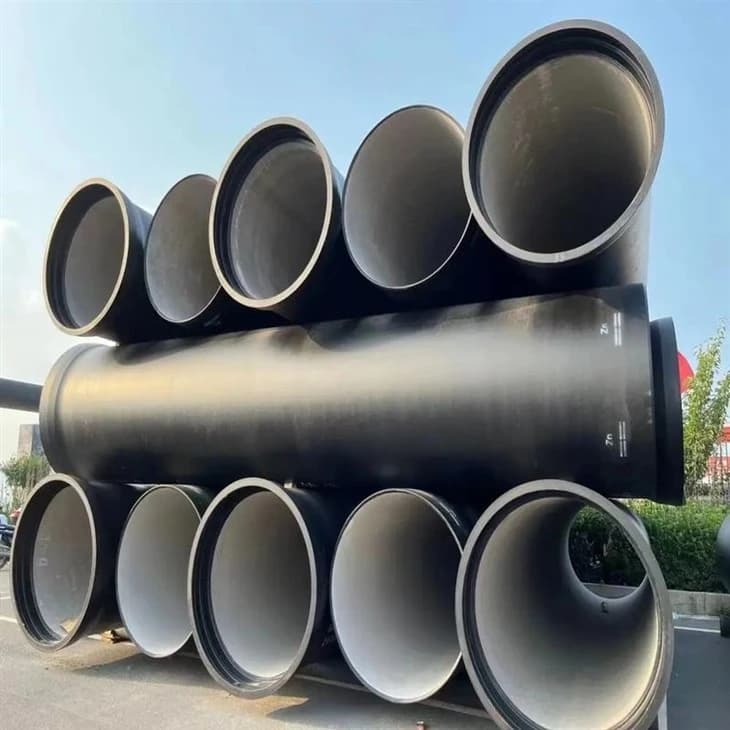
Pipeline steel fittings are critical pressure components for connecting, redirecting, changing diameter, and branching in long-distance oil/gas, petrochemical, and energy pipeline systems, typically made of API 5L grade pipeline steel or corresponding forging/welding grades, with strict requirements for strength, toughness, weldability, and HIC/SCC resistance.
Key Details
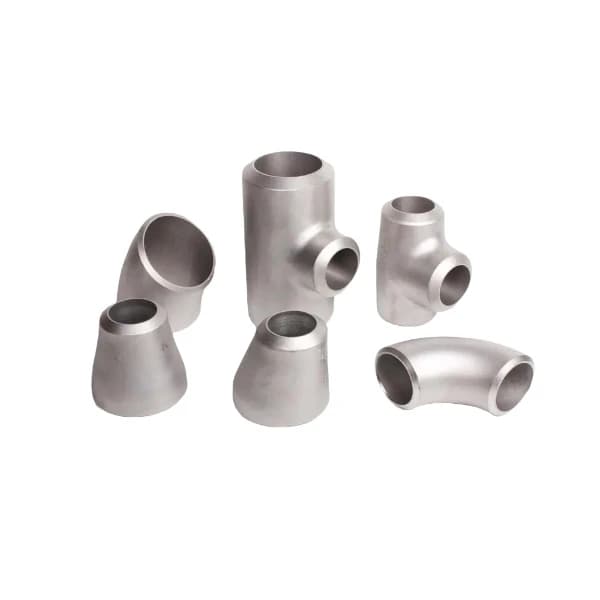
Elbows (45°, 90°, 180°): Change pipeline direction; long/short radius options (e.g., LR 1.5D, SR 1.0D).
Tees (Equal/Reducing): Create branch connections; reducing tees connect different pipe sizes.
Reducers (Concentric/Eccentric): Transition between pipes of different diameters; eccentric avoids liquid/gas accumulation.
Caps/End Caps: Seal the end of a pipeline.
Bends (3D/5D/6D): Long-radius, hot-formed bends for large-diameter pipelines, reducing flow resistance.
Flanges, Weldolets, Stub Ends: For bolted connections, branch outlets, or special joint transitions.
Carbon/Low Alloy Pipeline Steel (most common): API 5L (X42/X52/X60/X65/X70, PSL1/PSL2); ASTM A234 WPB/WPC, A420 WPL6, A860 WPHY grades; TMCP (Thermo-Mechanical Control Process) for high toughness.
Alloy/High Performance: For sour service (H₂S/CO₂) with anti-sulfide stress cracking (SSC) and hydrogen-induced cracking (HIC) properties; dual-phase steel for extreme environments.
Standards: API 5L, ASME B16.9 (butt-weld fittings), ASME B16.5 (flanges), ISO 15590, DIN 2605.
Butt Welding (BW): Mainstream for high-pressure long-distance pipelines, requiring radiographic inspection (RT) of welds.
Socket Weld (SW)/Threaded (NPT): For small-bore, low-to-medium pressure systems.
Flanged Connection: Easy disassembly, suitable for valves and equipment interfaces.
Popular tags: pipeline steel manufacturers, pipe fittings, pipe fitting prices, spot inventory, pipes and fittings