Product Description
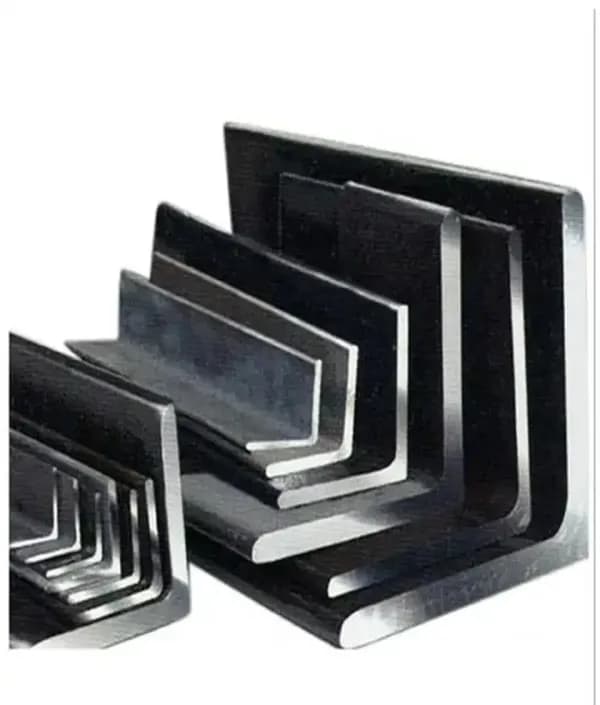
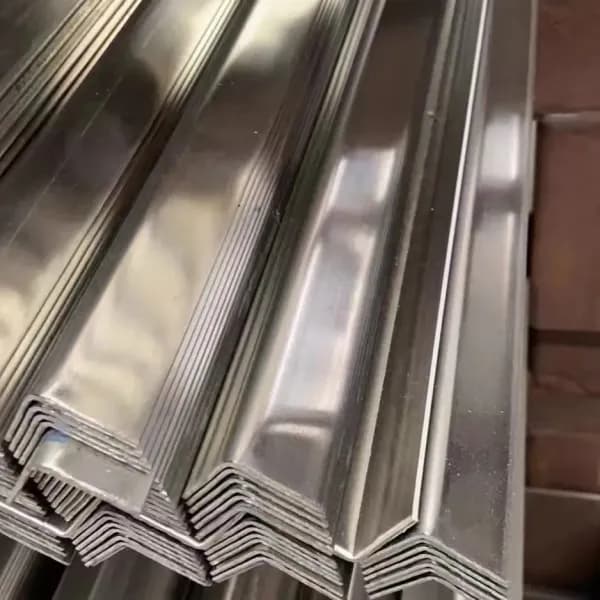
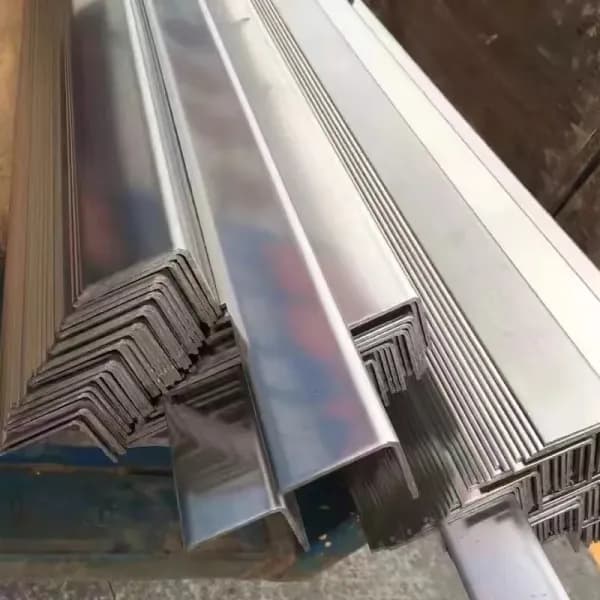
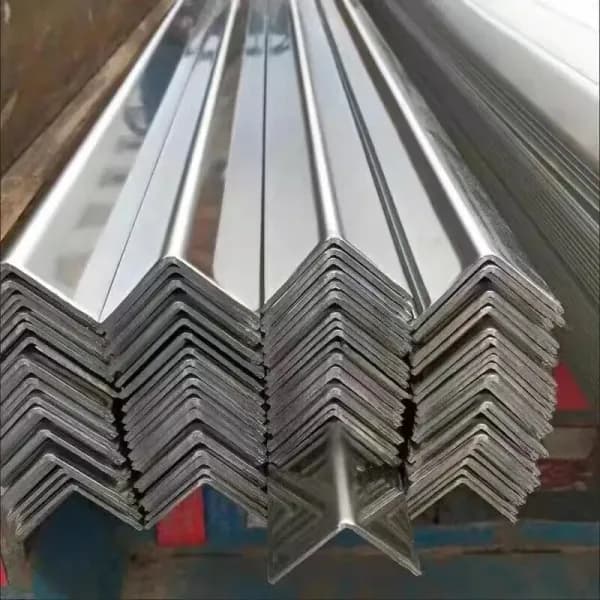
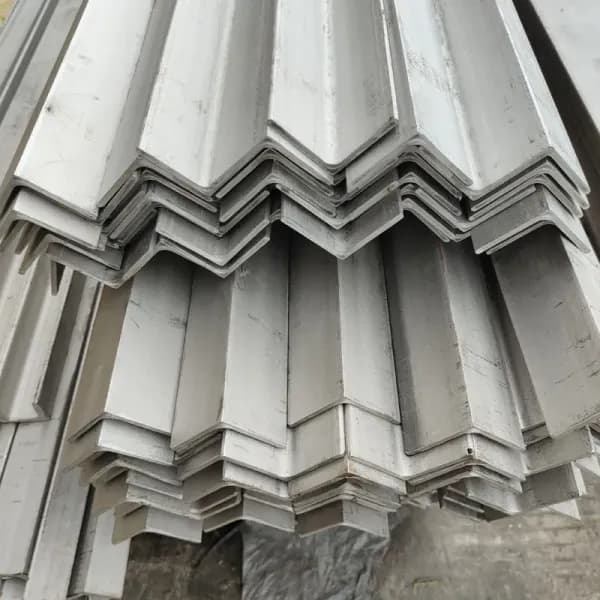
Equal-leg 304 stainless steel angle, 1 in. x 1 in. x 3/16 in. (25.4 x 25.4 x 4.76 mm). The leg thickness is 0.1875 in. The grade is Type 304, UNS S30400. Hot-rolled and extruded angles of this grade are within ASTM A276/A276M, together with bars. The edition, condition, length, and surface are confirmed before the order is priced.
This is the middle thickness of the three 1 x 1 in. angles on this site. At about 1.16 lb/ft (1.73 kg/m) it is about 45% heavier than the 1 x 1 x 1/8 in. section and about 23% lighter than the 1 x 1 x 1/4 in. section. Specify it for equipment frames, brackets, and edge protection when the 1/8 in. bar is too flexible and the 1/4 in. bar is more steel than the drawing needs.
Corrosion resistance is that of 304 in the service named on the order. Prolonged chloride exposure, crevices, and long holds in the carbide-precipitation range need a separate review. This page does not offer the profile as a marine or high-temperature structural guarantee.
Size and Supply
Only the 1 x 1 x 3/16 in. equal-leg size is sold on this page. The 1/8 in. and 1/4 in. thicknesses with the same 1 in. legs, and the 3/4 x 3/4 x 1/8 in. angle, are separate products. Leg, thickness, corner, straightness, and length tolerance follow the specification named on the order. State a cut length. A random mill length quoted by a distributor is not this product's stock.
| Item | This product | Confirmed on the order |
|---|---|---|
| Profile | Equal-leg angle | State equal-leg. Unequal-leg is a different enquiry. |
| Size | 1 x 1 x 3/16 in. | 25.4 x 25.4 x 4.76 mm. Thickness 0.1875 in. |
| Approximate weight | 1.16 lb/ft (1.73 kg/m) | Nominal, for estimation. Shipping weight follows the order. |
| Grade | 304 / UNS S30400 | 304L or dual certification only if written into the order. |
| Standard | ASTM A276/A276M | Edition, condition, and any supplementary requirements. |
| Length | Cut length to be stated | Quantity and any saw-cut tolerance. |
| Surface | Mill finish unless stated | Hot-rolled, extruded, or a named polish or blast. |
Grade and Standard
Type 304 is the common 18-8 austenitic grade, UNS S30400. The limits below are the ASTM A276/A276M limits for bars and shapes, not the ASTM A240/A240M limits for plate and sheet. The heat analysis on the mill test report is checked against the edition named on the order.
| Element | Limit for Type 304, % (ASTM A276/A276M) |
|---|---|
| Carbon (C) | 0.08 max |
| Manganese (Mn) | 2.00 max |
| Phosphorus (P) | 0.045 max |
| Sulfur (S) | 0.030 max |
| Silicon (Si) | 1.00 max |
| Chromium (Cr) | 18.00-20.00 |
| Nickel (Ni) | 8.00-11.00 |
A276/A276M lists no nitrogen limit for S30400. A 0.10% nitrogen maximum quoted on some distributor pages is the A240 plate and strip value and does not apply to this angle.
Mechanical Properties
Strength follows the supply condition, so one tensile figure does not describe every 3/16 in. bar. Hot-finished and annealed (Condition A) is the condition to name unless the order says otherwise. ASTM A276/A276M then sets these minimums.
| Property | ASTM A276/A276M minimum, hot-finished Condition A |
|---|---|
| Tensile strength | 515 MPa (75,000 psi) min |
| Yield strength | 205 MPa (30,000 psi) min |
| Elongation in 2 in. (50 mm) | 40% min |
| Reduction of area | 50% min |
These minimums apply only when the angle is supplied hot-finished and annealed (Condition A). Cold-finished and strain-hardened conditions have their own rows in A276/A276M. The order states the condition. The test report states the result. A276/A276M does not set a Brinell cap for annealed 304, so hardness is not published here as a guaranteed value.
No single tensile figure is printed for every finish. The Condition A minimums above are the ones that apply to hot-finished annealed material. A distributor listing that is not tied to a condition is not used.
Fabrication
Type 304 welds by the common fusion and resistance processes without preheat or postheat. Where the weldment will not be annealed and the service is sensitive to sensitization, name 304L on the order. It is not substituted for 304 from this page.
At 0.1875 in. the bar bends on ordinary sheet-metal and section equipment. It does not need the press force of the 1/4 in. section, and it holds a corner better than the 1/8 in. section. Leave a generous inside radius. Austenitic stainless springs back, so a radius copied from a carbon-steel detail usually comes out open. Machining work-hardens the grade: sharp tools, positive feeds, rigid setups. Cut length and saw tolerance are agreed with the offer.
Applications
Use this thickness for equipment frames, cart and shelving uprights, brackets, and corner reinforcement on platforms and doors. It is the general-purpose 1 in. angle: stiff enough for a bracket that the 1/8 in. bar would flex under, without the mass of the 1/4 in. bar on a long run. Architectural trim that only has to cover an edge should stay with the 1/8 in. section.
Ordering Information
An enquiry should state the profile (1 x 1 x 3/16 in., equal-leg), the grade (304, or 304L if dual certification is wanted), the cut length and quantity, the ASTM A276/A276M edition and condition, the surface, any straightness or tolerance requirement, and the document type (EN 10204 report type, heat identity, third-party inspection if required). None of these are included by default.
Related sizes in the same grade: 1 x 1 x 1/8 in. angle, 1 x 1 x 1/4 in. angle, and 3/4 x 3/4 x 1/8 in. angle. 304 stainless steel seamless pipe is a different product form.
Frequently Asked Questions
When should I choose 3/16 in. instead of 1/8 in. or 1/4 in.?
Choose 3/16 in. when the 1/8 in. section is too flexible and the 1/4 in. section is more weight than the job needs. All three share 1 in. legs. Nominal weights are about 0.81 lb/ft for 1/8 in., 1.16 lb/ft for this 3/16 in. section, and 1.50 lb/ft for 1/4 in. The 3/16 in. bar is about 45% heavier than the 1/8 in. bar and about 23% lighter than the 1/4 in. bar. Those figures are for estimation only.
What is the yield strength of this 304 angle?
For hot-finished and annealed material (Condition A), ASTM A276/A276M sets a minimum yield strength of 205 MPa (30,000 psi) and a minimum tensile strength of 515 MPa (75,000 psi). Those minimums do not carry over to a cold-worked condition. The order states the condition, and the test report states the measured result.
Is 304 stainless steel magnetic?
Annealed 304 is generally non-magnetic. Cold work can make the bar slightly magnetic, so a cold-finished or strain-hardened angle may attract a magnet even though the grade has not changed. The condition on the order is what decides this, not the leg size.
What is the difference between 304 and 304L for this angle?
Only if the order allows it. 304 is UNS S30400. 304L is UNS S30403, with a lower carbon limit and its own mechanical requirements. It is often chosen for weldments that will not be annealed afterward. Dual certification has to be requested and checked against the edition on the order.
What should the enquiry include?
Send the profile (1 x 1 x 3/16 in., equal-leg), the grade, the cut length and quantity, the ASTM A276/A276M edition and condition, the surface, the document type, and any straightness or tolerance requirement.