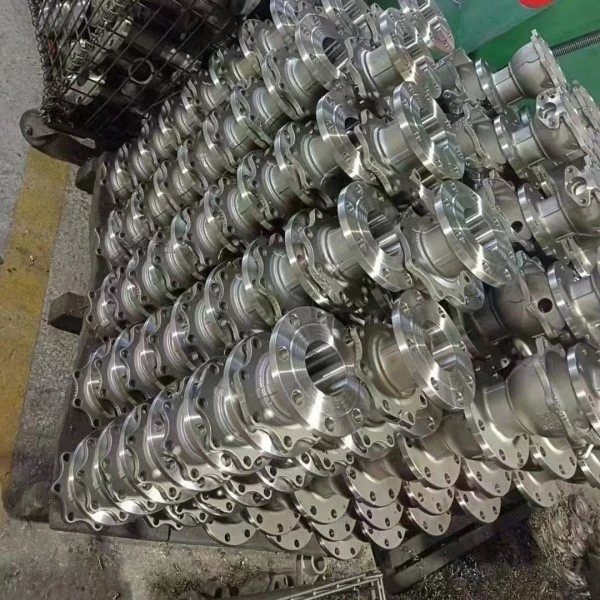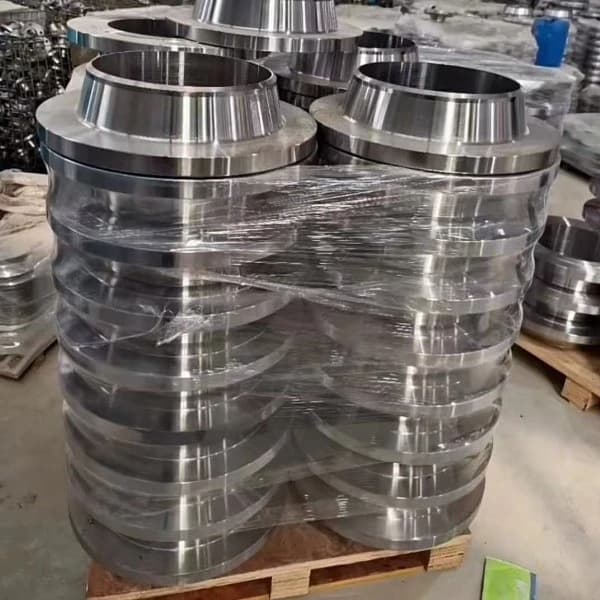
The ANSI B16.5 stainless steel flanges supplied this time are core components tailored to the characteristics of oil and gas pipelines in the Los Angeles area. As an energy hub in the western United States, Los Angeles' oil and gas transportation network encompasses onshore trunk pipelines, urban gas distribution networks, and industrial terminal facilities. Some pipelines have been in operation for many years and urgently require upgrades to improve safety performance.
This batch of flanges strictly adheres to the ANSI B16.5 standard, covering corrosion-resistant materials such as 304L and 316L, pressure ratings ranging from Class 150 to Class 900, and sizes suitable for pipe diameters from 1 inch to 12 inches, perfectly matching the technical parameters of the local Los Angeles pipeline system. Standardized bolt hole positioning and uniform flange sealing surface dimensions ensure seamless compatibility with existing pipeline equipment, significantly reducing construction and connection difficulties and ensuring the project's timely progress. Among them, the RTJ flanges used in the pipeline replacement project on Compton Boulevard, through a metal-to-metal sealing structure design, can withstand pressure fluctuations in the complex geological environment of the area, effectively mitigating the risk of leakage.

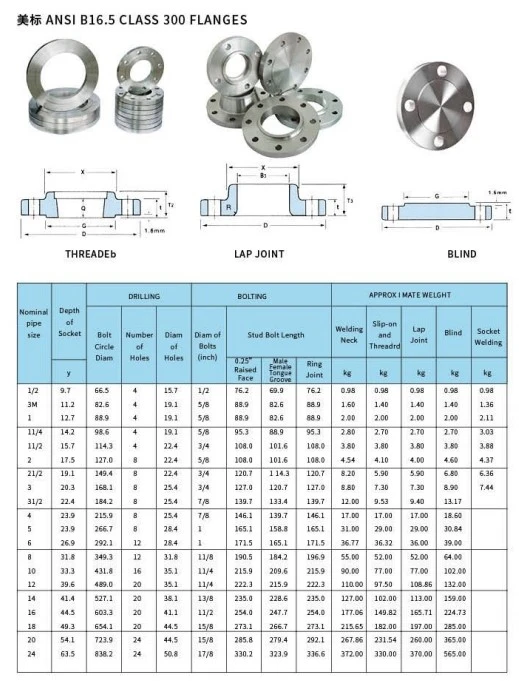
The Los Angeles area's oil and gas pipelines face multiple challenges, including high temperatures, high humidity, and salt spray corrosion in some areas, placing extremely high demands on the durability and reliability of flanges. The ANSI B16.5 stainless steel flanges supplied this time have undergone targeted optimization in both material and manufacturing process:
The 316L flanges, with their excellent resistance to chloride ion corrosion, are suitable for the high salt spray environment of coastal pipelines; the stabilized 321 flanges can withstand the high-temperature conditions of refining processes, ensuring sealing stability under extreme conditions. All flanges have undergone rigorous pressure testing and non-destructive testing, complying with relevant American Petroleum Institute (API) standards and meeting the stringent safety redundancy requirements of the Los Angeles oil and gas transmission system.
In practical applications, weld neck flanges will be used for long-distance pipeline trunk line connections, their reinforced structural strength dispersing stress impacts during pipeline operation; threaded flanges are suitable for small interfaces and instrument connections in urban gas distribution networks, and the weld-free installation method facilitates later maintenance, meeting the efficient construction needs of local pipeline upgrade projects.